Growth Hormone & Body Composition Research
Ipamorelin
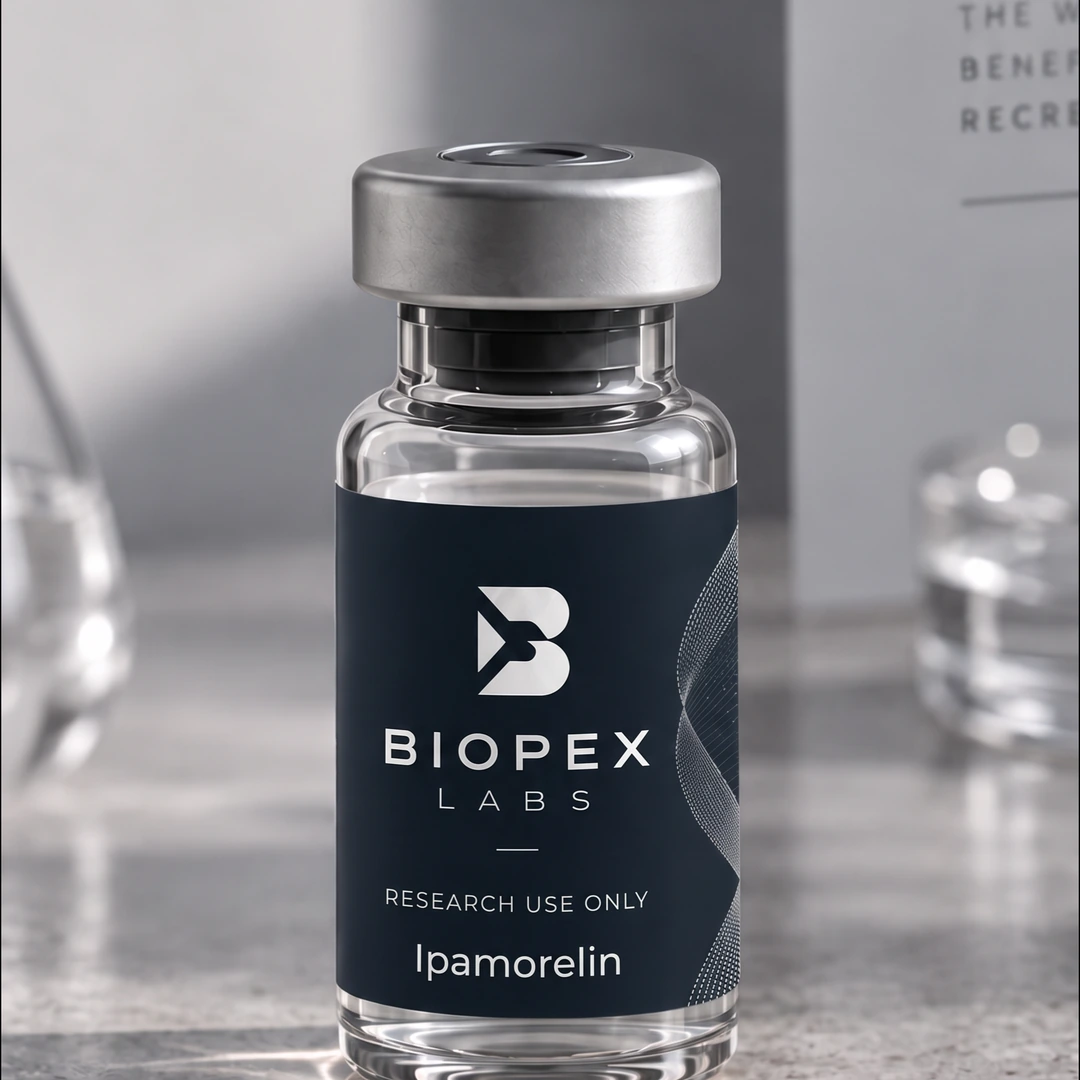
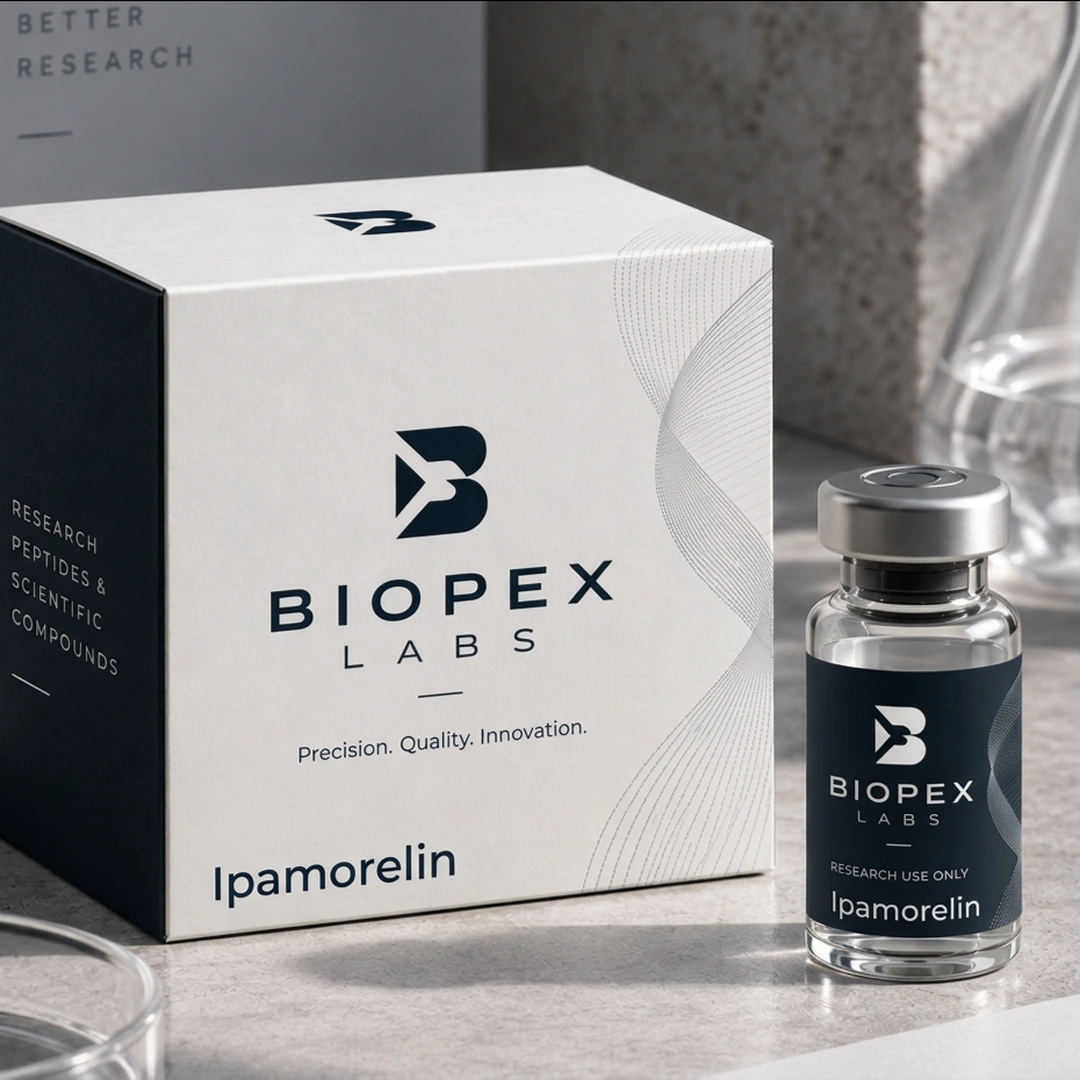
Ipamorelin is a synthetic peptide studied for its interaction with the growth hormone secretagogue receptor (GHS-R1a). It has been investigated in preclinical research focused on ghrelin-receptor signaling, peptide pharmacology, and growth hormone regulatory pathways. Refer to the manufacturer’s documentation for verified product identity, purity, and packaging specifications. Intended for laboratory research use only.
In stock
| Title | Range | Discount |
|---|---|---|
| Tier Pricing All Products | 1 - 2 | $0.00 flat |
| Additional 15% off | 3 - 4 | 15% |
| Additional 20% off | 5 - 9 | 20% |
| Additional 30% off | 10 + | 30% |
Description
Product Overview
Ipamorelin is a synthetic peptide that has been studied for its activity at the growth hormone secretagogue receptor (GHS-R1a), also known as the ghrelin receptor. This receptor plays a role in signaling pathways involved in the regulation of growth hormone release.
Ipamorelin is of scientific interest in peptide pharmacology research because of its interaction with this receptor system. Its properties and effects must be evaluated within the context of the specific experimental model and available scientific evidence.
Research Background
The growth hormone secretagogue receptor is involved in biological signaling associated with ghrelin and growth hormone regulation. Researchers investigate this receptor to better understand the mechanisms governing endocrine signaling and related physiological processes.
Ipamorelin has been studied as a growth hormone secretagogue. However, findings from preclinical research do not establish the safety or effectiveness of products marketed under this name for human use.
Key Product Features
- Product name: Ipamorelin
- Compound type: Synthetic peptide
- Research focus: Growth hormone secretagogue receptor signaling
- Scientific area: Peptide pharmacology and endocrine research
- Product documentation: Refer to the verified product label and certificate of analysis (COA)
- Intended use: Laboratory research only
Product Specifications
Please consult the manufacturer’s documentation to verify:
- Available quantity and formulation
- Peptide identity and sequence, where available
- Purity and analytical testing results
- Batch or lot number
- Storage and handling requirements
Storage and Handling
Follow the manufacturer’s verified storage instructions and applicable laboratory safety procedures. Consult the safety data sheet (SDS), if available, and use appropriate protective equipment when handling research materials.
Important Notice
This product is intended strictly for laboratory research purposes. It is not intended for human or veterinary consumption, self-administration, diagnosis, treatment, cure, or prevention of any disease.
Research findings should not be interpreted as proof of human safety or efficacy. Researchers are responsible for complying with applicable laws, institutional requirements, and laboratory safety protocols.
Additional information
| 10 MG | 1 Unit, 2 Units, 3+ Units, 10+ Units |
|---|
Certificates (COA)
- BPX-IPAMORELINLatest Published Nov 6, 2026 PDF ↓ View lot →